Following up on invoice payment in a down economy
It can be challenging following up on payment of invoices when the economy has been down, but it is important to keep cash flowing into your business. As with all business dealings right now, there are tactics you can use to help.
It can feel challenging to chase up payment of invoices when the economy has been down, but it is important to keep cash flowing into your business so you can cover expenses and meet your obligations to others. As with all dealings in more difficult times, some empathy and a lot of open communication can go a long way.
The following tips are useful to keep in mind when asking for payment.
Communication - Connecting with your customers is important. Try to make it personal to their situation rather than a one-size-fits-all email. Connecting on a more personal level shows you value them and are conscious of the impacts that the current situation may be having on them. The empathy you show now will also be remembered when the economy recovers. Be proactive - early communication will help you stay on top of cash flow and will also alert you if you need to account for late payments.
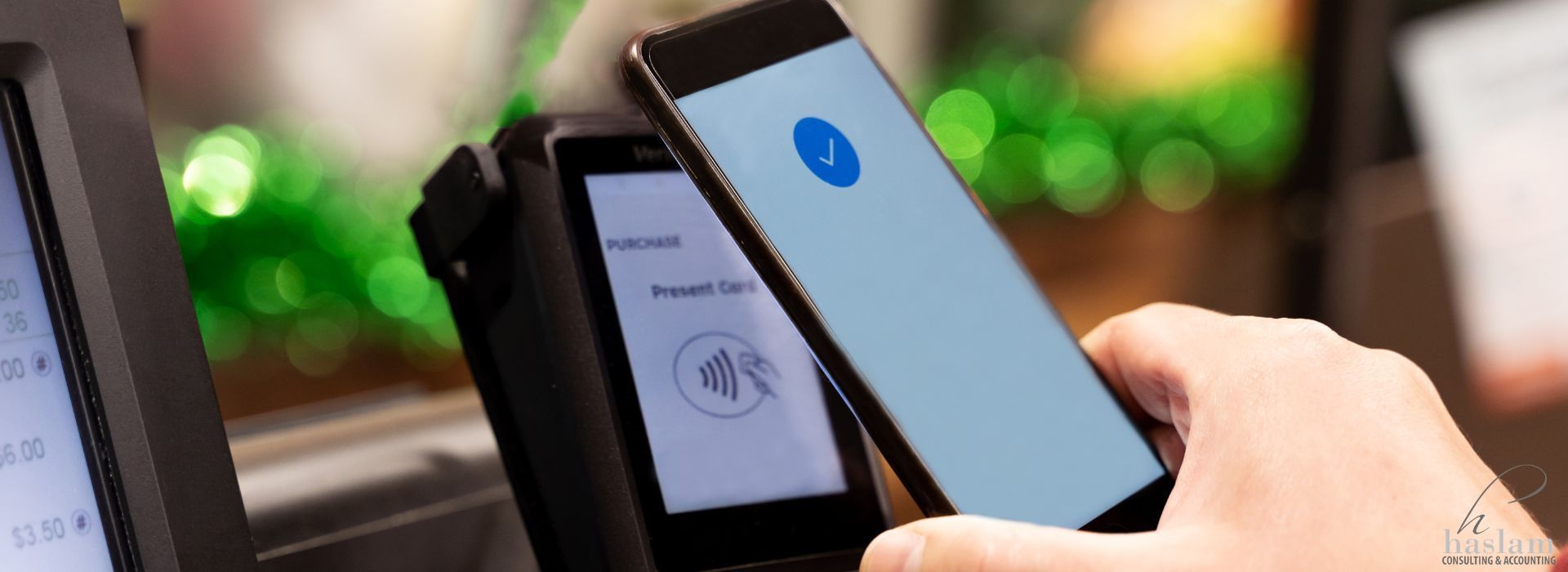
Offer flexible payment options - for customers who can’t pay in full, consider breaking invoices into multiple payments with payment terms moved to a longer timeframe. Set up a credit card facility to give customers other options for payment. After all, the easier you can make it for them to pay you, the quicker you will get paid. If you don’t have payment services set up in your accounting software, we can help you do this. Offering a discount for early payment might provide the incentive, for customers who can settle, to pay your invoice before others.
Total Outstanding - Make sure you keep track of how much customers are in arrears. While you can continue to allow credit, you want to make sure you're not creating too much risk. Allowing continual extensions to payment while also letting more to be added to their total amount outstanding can create a cashflow crunch. Get in touch if you want help to better track your cash flow.
Keeping cash flow going is vital for your business so the earlier you communicate with customers the better.