JobKeeper Update
April 30, 2020
There's a few changes to JobKeeper
There have been some minor changes announced to the JobKeeper Payment.
Here's what you need to know:
- Previously anyone wanting to claim JobKeeper for the month of April needed to be enrolled by 30 April. This deadline has been extended to 31 May.
- Employers who need to make back-pay top-up payments for April now have until 8 May to do so.
- Businesses which employ their staff through a service entity have been added to the eligibility list.
- Full-time students younger than 17 years who are not financially independent are not eligible employees.
- Sole traders who have a full-time or part-time job cannot claim JobKeeper under their own ABN.
- Charities can now exclude Government payments from their turnover when checking eligibility.
The ATO also released its Legislative Instrument to give affect to Alternative Tests. This means that if you can't pass the basic test to meet eligibility, one of these tests might still let you qualify. They are for people who:
- Have been in business less than a year
- Had a low turnover in the prior year due to natural disaster
- Had a low turnover in the prior year because they were sick
- Bought or sold part of their business which changed their turnover
- Restructured their business which changed their turnover
- Have a large variance in turnover or irregular income
To find out more about JobKeeper, visit our dedicated page here.

Many small business owners report difficulties when it comes to the delay between issuing an invoice and actually getting paid.

Inventory management is critical for any business. It'll help keep enough stock to satisfy customer demand and avoid pitfalls associated with inventory.

Builders report difficulties recruiting or retaining skilled workers. We outline what’s causing the shortages and how you can find those much-needed skilled workers.
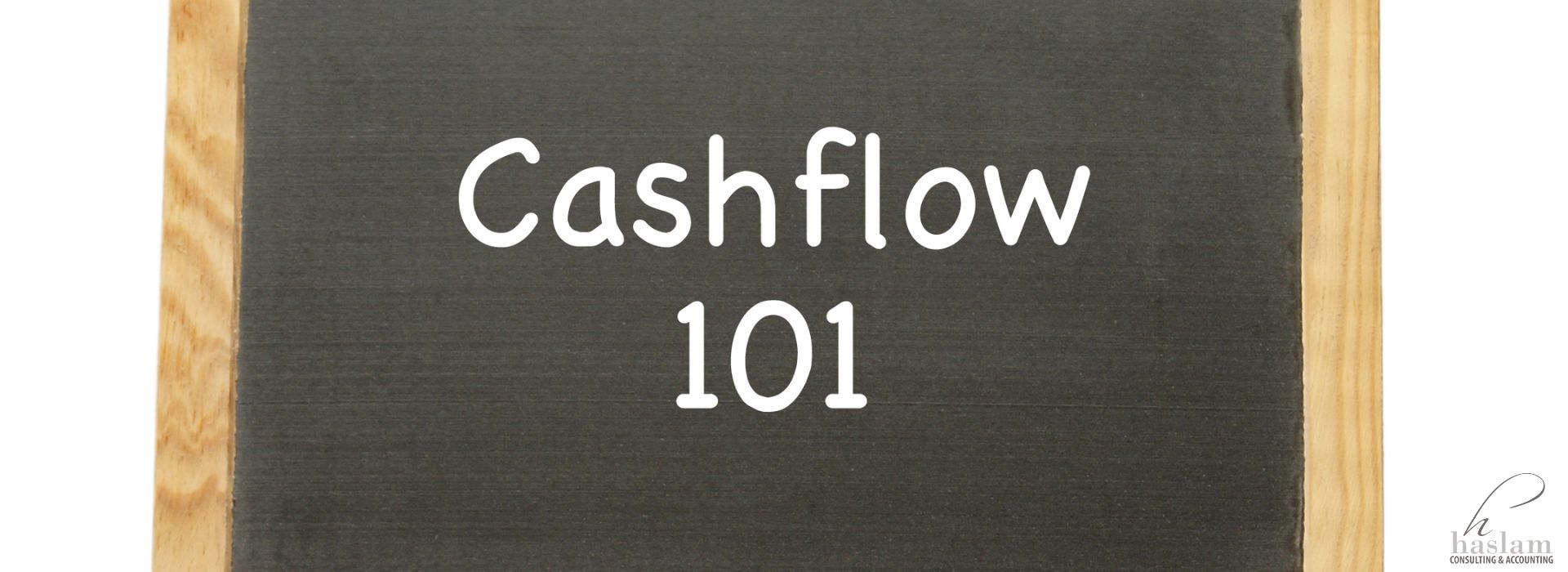
Positive cashflow is the beating heart of your business. Read our Plain English guide to cashflow and find out how to get in complete control of your cash position.

At the Federal Budget in May 2026, the Government announced that it would reintroduce a loss carry back tax offset for companies.

Working for yourself or running your own business? Setup robust systems for expenses & tax requirements so you can focus on your important tasks.

From 1 October 2026, businesses will no longer be able to apply a surcharge to card payments on designated eftpos, Mastercard and Visa networks.

Do you know how to track the financial health of your business? We highlight 5 key metrics you should be tracking and managing to keep your finances on course.

Now comes a decision for anyone who uses their car for work: is it better to claim a deduction using the logbook or cents per kilometre method?

Why is good bookkeeping so vital for your financial management? We’ve got some top hacks for maximising your bookkeeping!