Which business expenses can you claim against tax?
Want to cut your business costs? We’ve highlighted the business expenses that can (and cannot) be claimed against your ATO tax bill.
Incurring expenses is an unavoidable fact of running a business. But which expenses can you claim tax deductions against and which don’t meet the tax-free criteria?
Here’s our lowdown on which expenses you can claim against tax.
Which business expenses can you claim deductions against?
If your business expense is directly related to earning your assessable income then you should be able to claim a tax deduction against this particular cost.
For example, everyday business expenses that you may be eligible include:
- Your day-to-day operating expenses
- The purchases of products or services you’ve made for your business
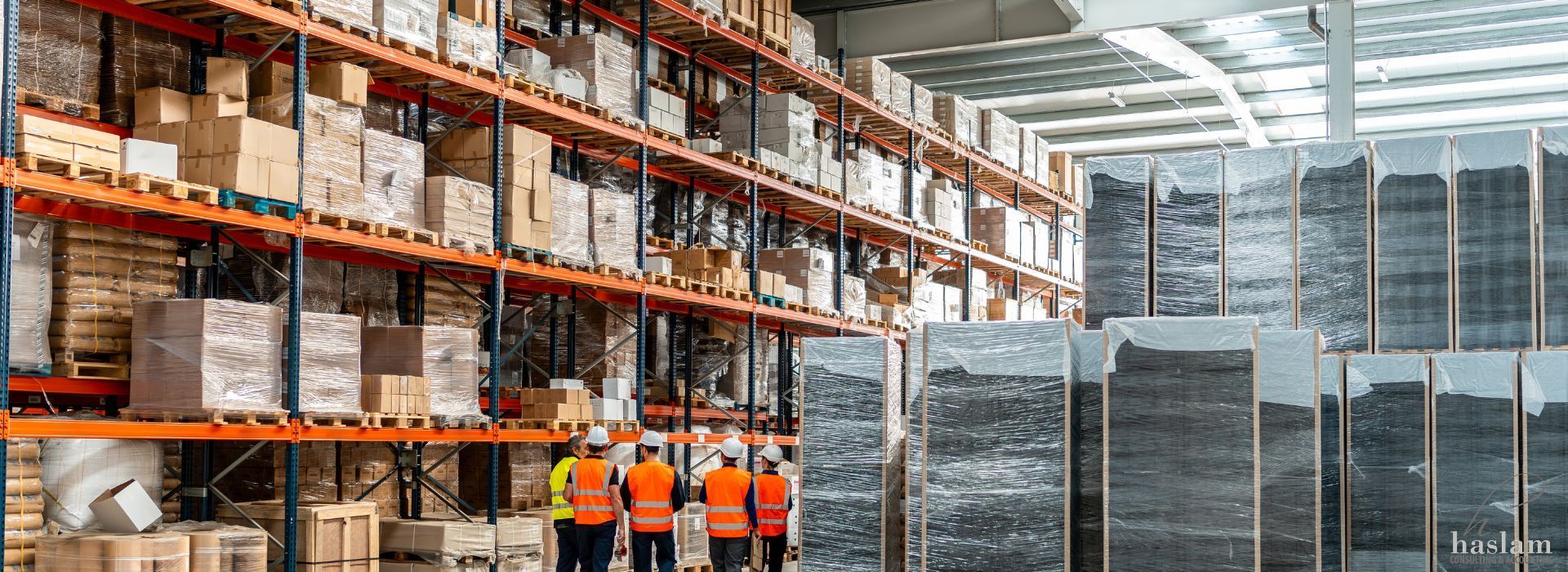
- Certain capital expenses, such as the cost of depreciating assets like machinery and equipment used in your business.
The amount of a deduction (and when you can claim it) will vary, based on the type of expenses you’re claiming. You can find out more on the Australian Tax Office (ATO) website here.
There are three basic rules for checking the your expense claim is a valid business deduction – and that it won’t be challenged by the ATO.
- The expense must have been for your business, available as an allowable deduction and not for private use.
- If the expense is for a mix of business and private use, you can only claim the portion that is used for your business.
- You must have records to prove that the expense was incurred.
Which business expenses can you NOT claim?
As we’ve explained, you can claim a deduction against most business expenses that are incurred as part of your day-to-day revenue-generation activities. But there are some business expenses you cannot claim against tax.
These non-tax-deductible expenses include:
- traffic fines you receive
- private or domestic expenses, such as childcare fees or clothes for your family
- expenses relating to earning income that is not assessable
- Non-compliant payments – payments for which you have not met your PAYG withholding or reporting obligations -
- the GST component of a purchase if you can claim it as a GST credit on your business activity statement.
- Generally you cannot claim a deduction for the cost of capital assets that are dealt with under the capital gains tax rules, although there are some exceptions.
- Your deductions may be limited for expenses incurred in relation to personal services income (PSI) if the PSI rules apply to that income.
Talk to us about reducing your business expenses
This isn’t an exhaustive list of tax-deductible expenses. There will be various ways to claim your operational expenses against the relevant reliefs and incentives offered by the ATO.
If you’re looking to cut back your costs and improve your tax efficiency, we can help. Talk to us about your regular operational expenses and tax costs and we’ll work with you to find the important reliefs, incentives and allowances that can be claimed.
Get in touch to start reducing your expenses.